

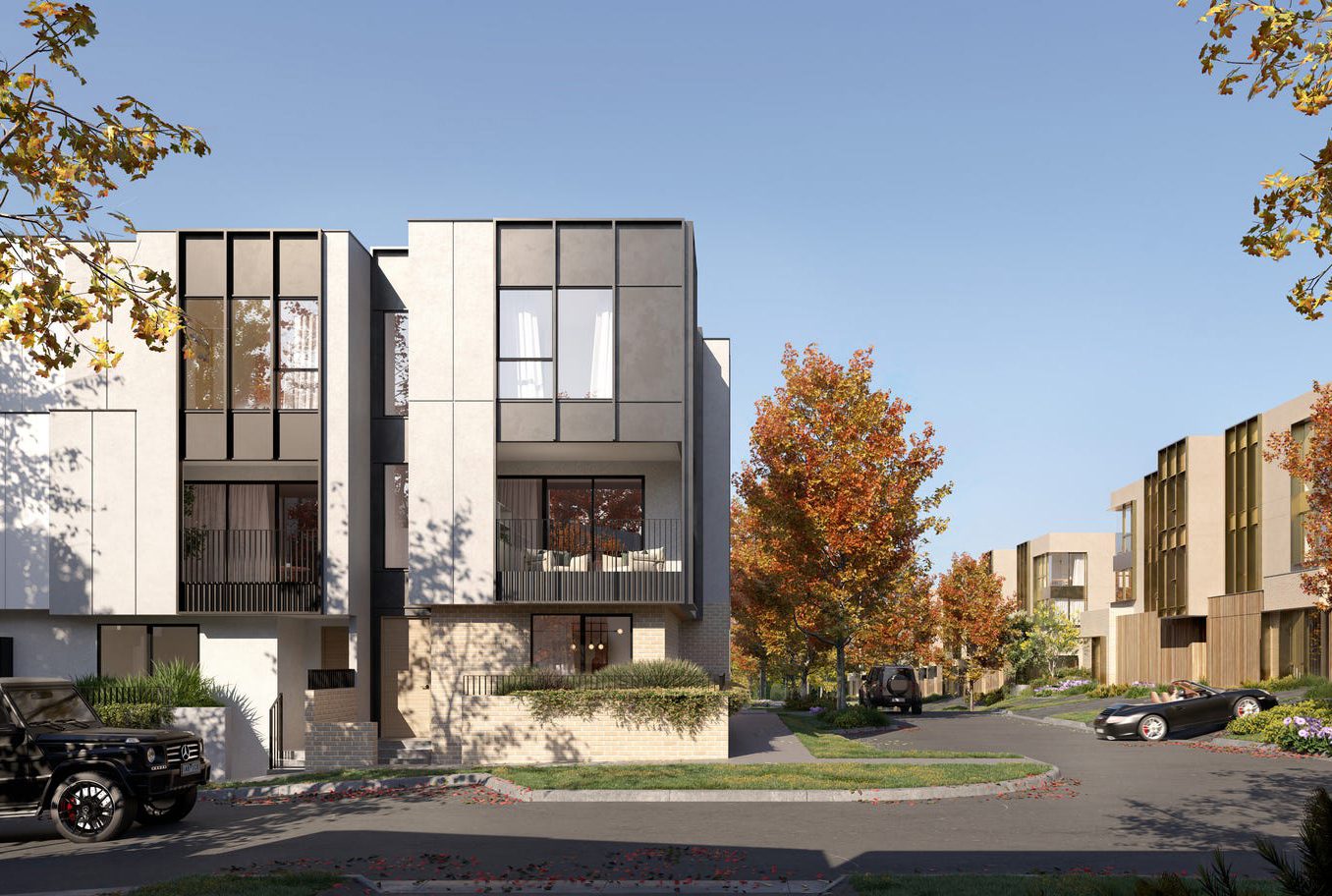
Why the staging strategy decides a medium-density programme
On a multi-stage townhouse site the sequence in which stages are released governs access, crane positions, deliveries and handover dates. It is a feasibility decision, not a site decision.
The staging strategy on a medium-density site is usually treated as a construction decision. It is really a feasibility decision, because it determines when titles are available, when settlements can occur, and therefore when the developer sees revenue.
Three things fall out of it: the site access route for each stage, the separation between occupied and active areas, and the order in which external works and landscaping can be completed.
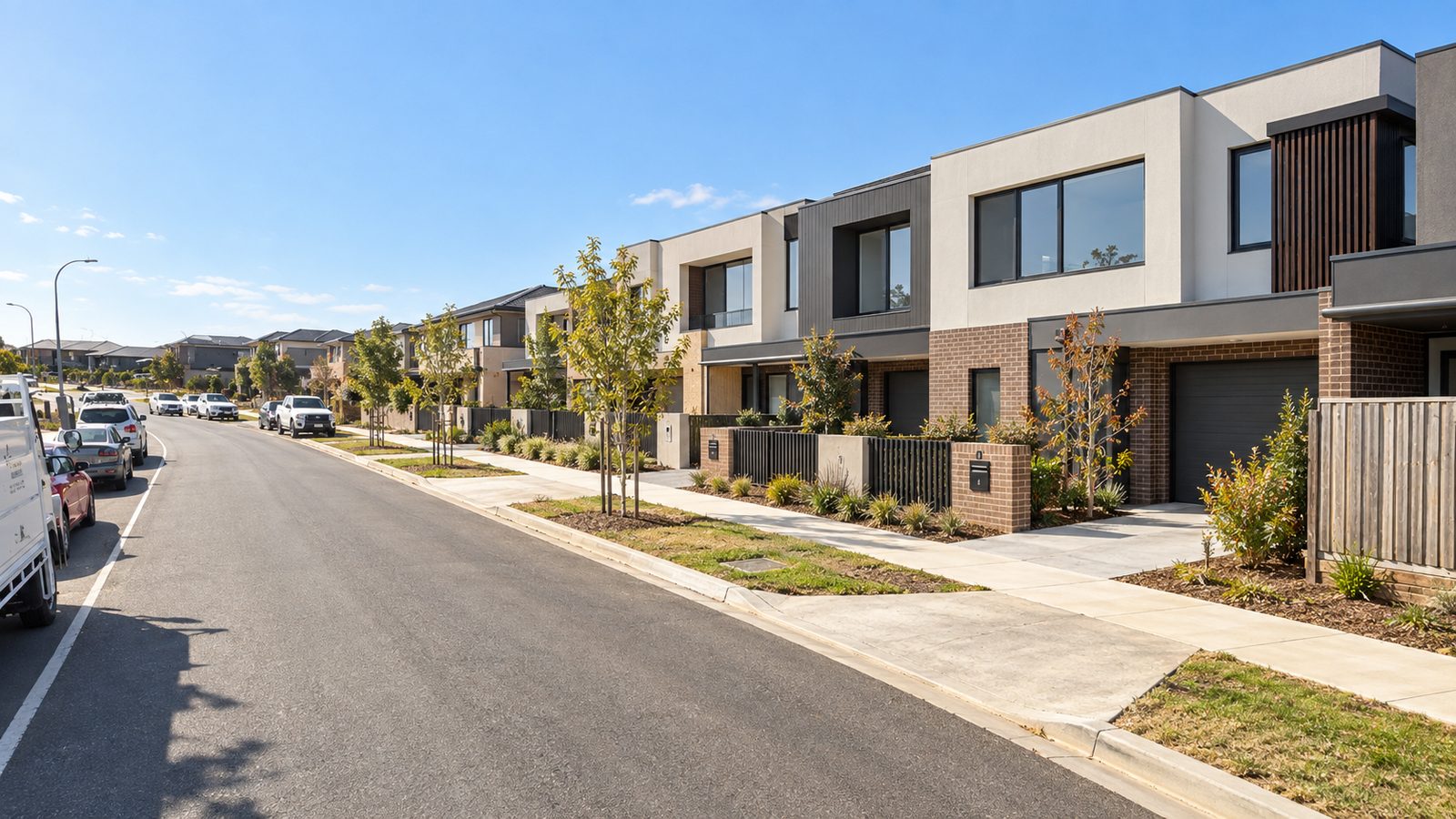
Worked example — Wantirna, Kingloch Parade. 50+ dwellings on a single medium-density site, released in multiple stages and completed inside twelve months.
The stages were fixed at feasibility, not on site. That is what allowed the earliest stages to reach occupancy while later stages were still in construction. Run as a single stage, the same 50 dwellings would all have reached completion together at the end of the programme, and the developer would have carried the holding cost for the whole of it.
The same question is live now at Box Hill South, where 100+ dwellings are under construction. On a site that size the staging decision governs not only settlement timing but how many cranes and site establishments the project pays for.
Completed projects beyond those published here can be provided on request, with dwelling numbers, contract values and referees. Ask for the full list.
Also from the sites.

Tell us about the site.
Send the address, the documentation stage and the programme you are working to. We will tell you what we would need to price it, and who would run it.